Strategic Partner
MOWCA
Strategic Partner
MOWCA
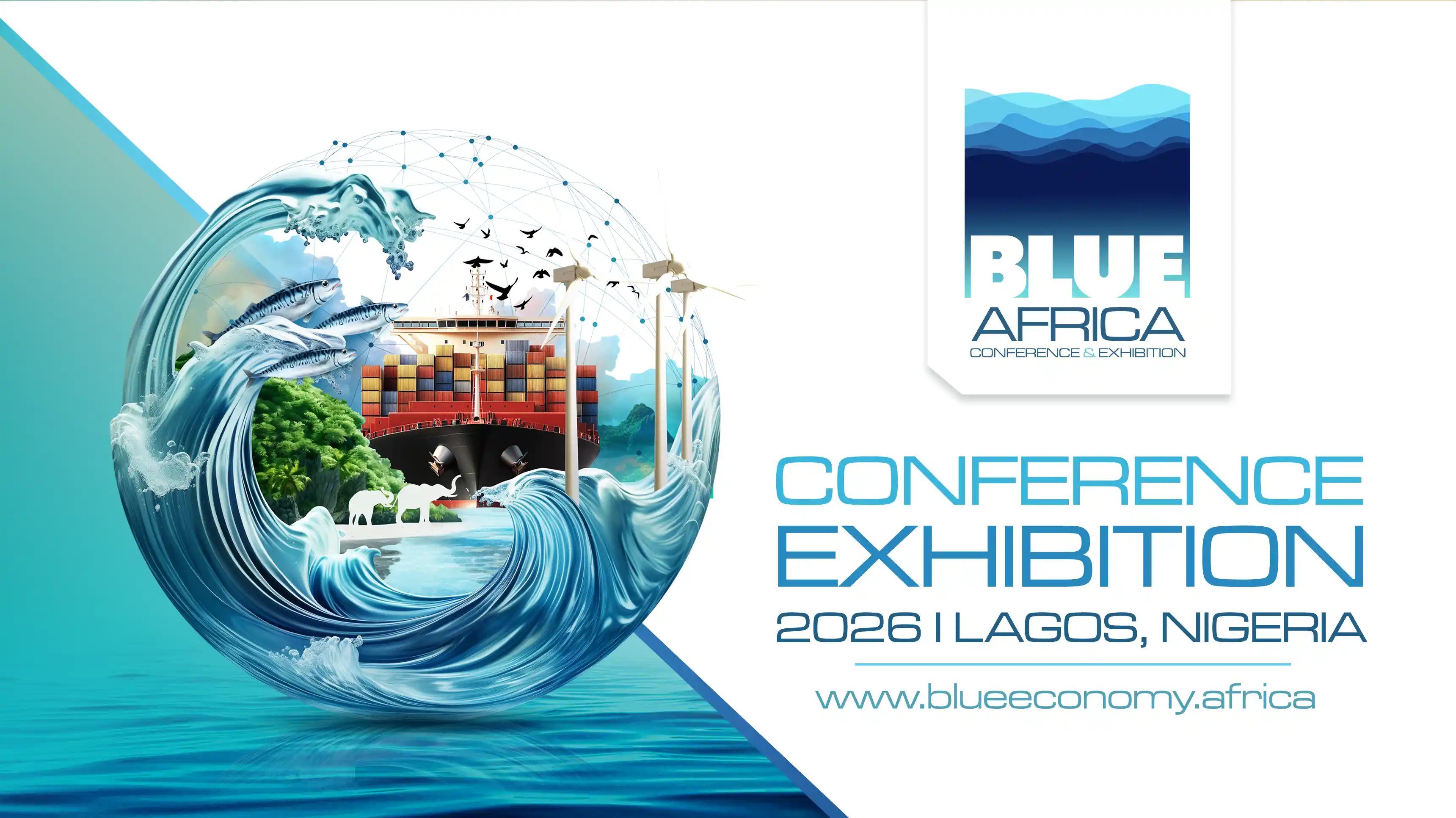
Where business, government and academia converge to shape the future of Africa's ocean economy.
Venue
Eko Hotel & Suites
Keynote
H.E. Adegboyega Oyetola
Expected
500+ Leaders
About The Event
BACE brings together 500+ business leaders, government officials, academia, and conservationists for two days of strategic dialogue on ocean-based economic development across the continent.
500+
Leaders
30+
Speakers
2
Days
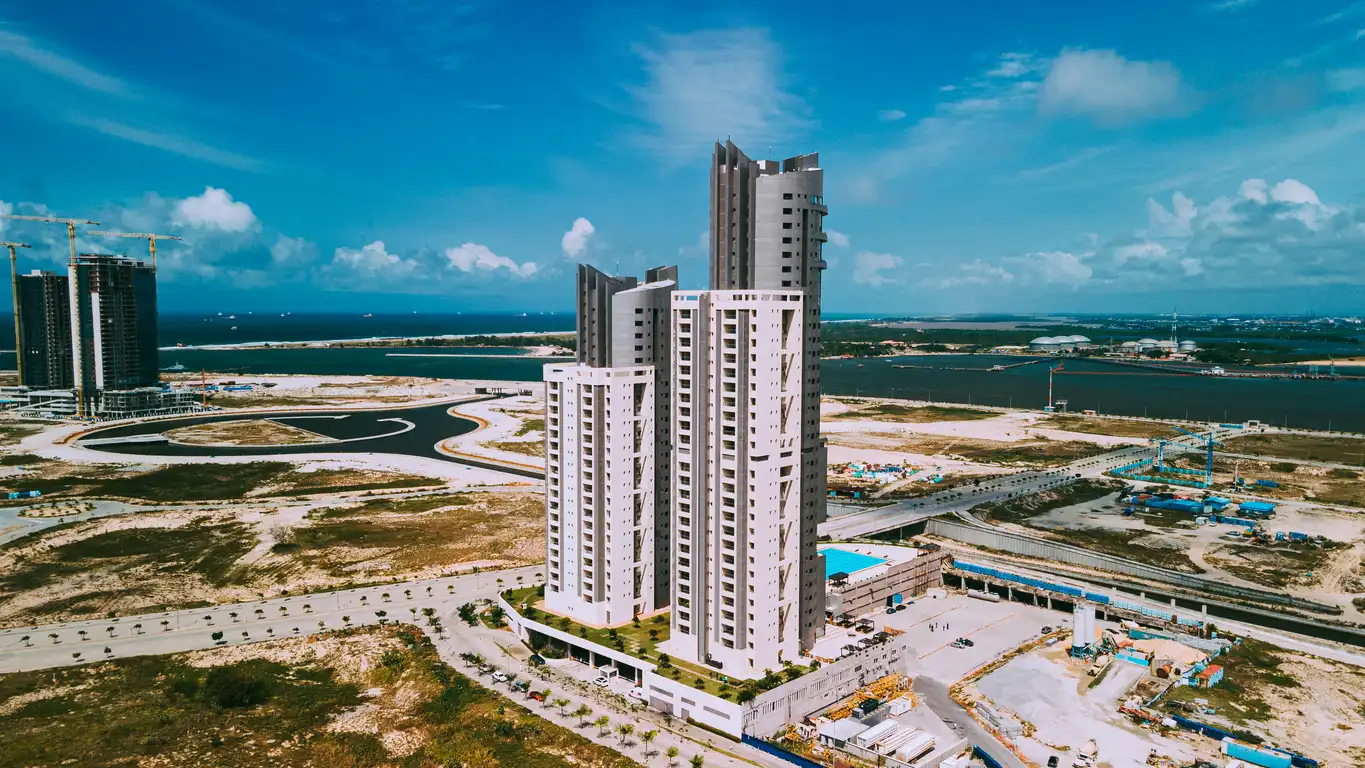
Venue
Eko Hotel & Suites
Lagos, Nigeria
Conference Pillars
Tap to explore
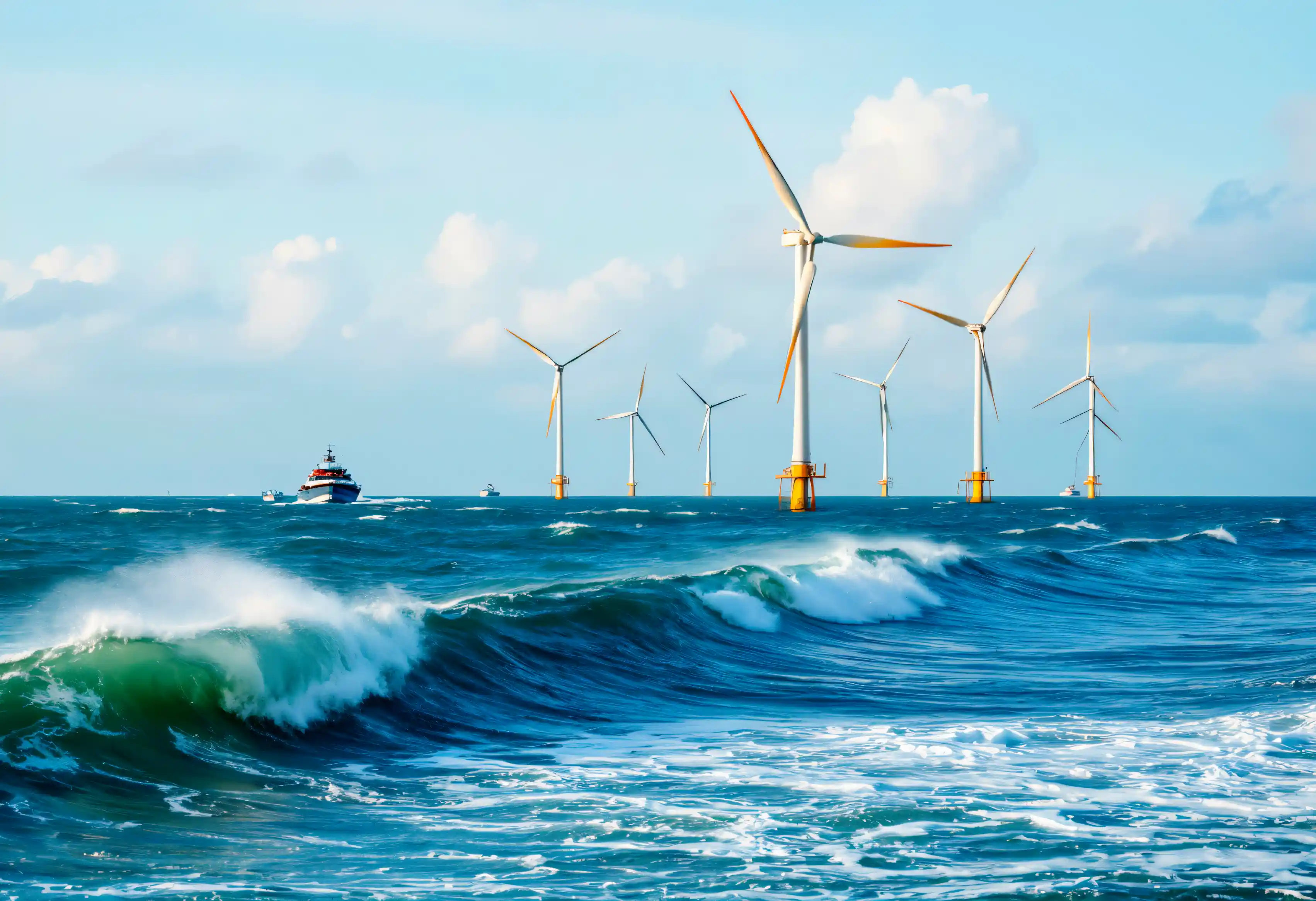
Tap to explore

Tap to explore
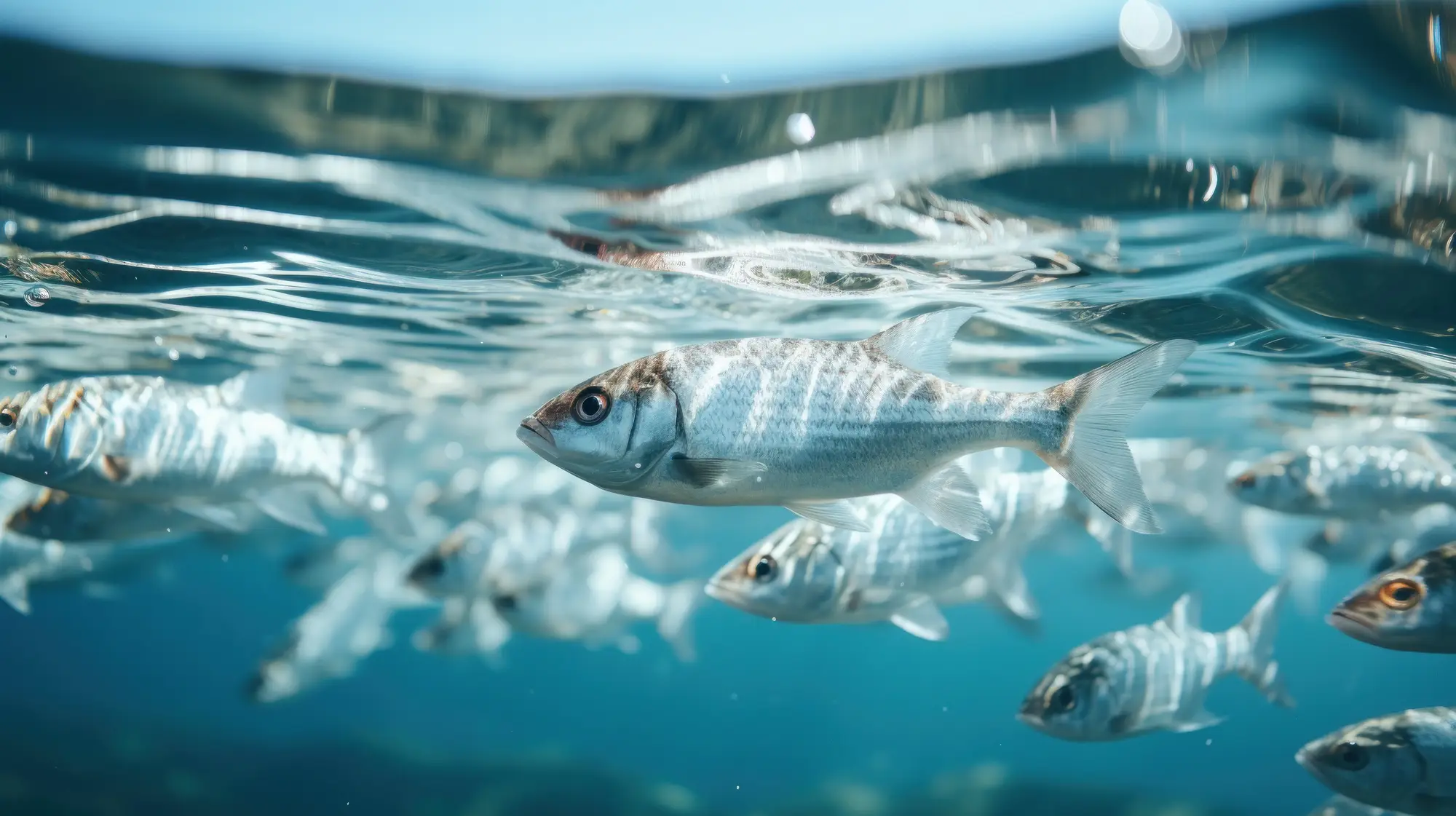
Tap to explore

Tap to explore
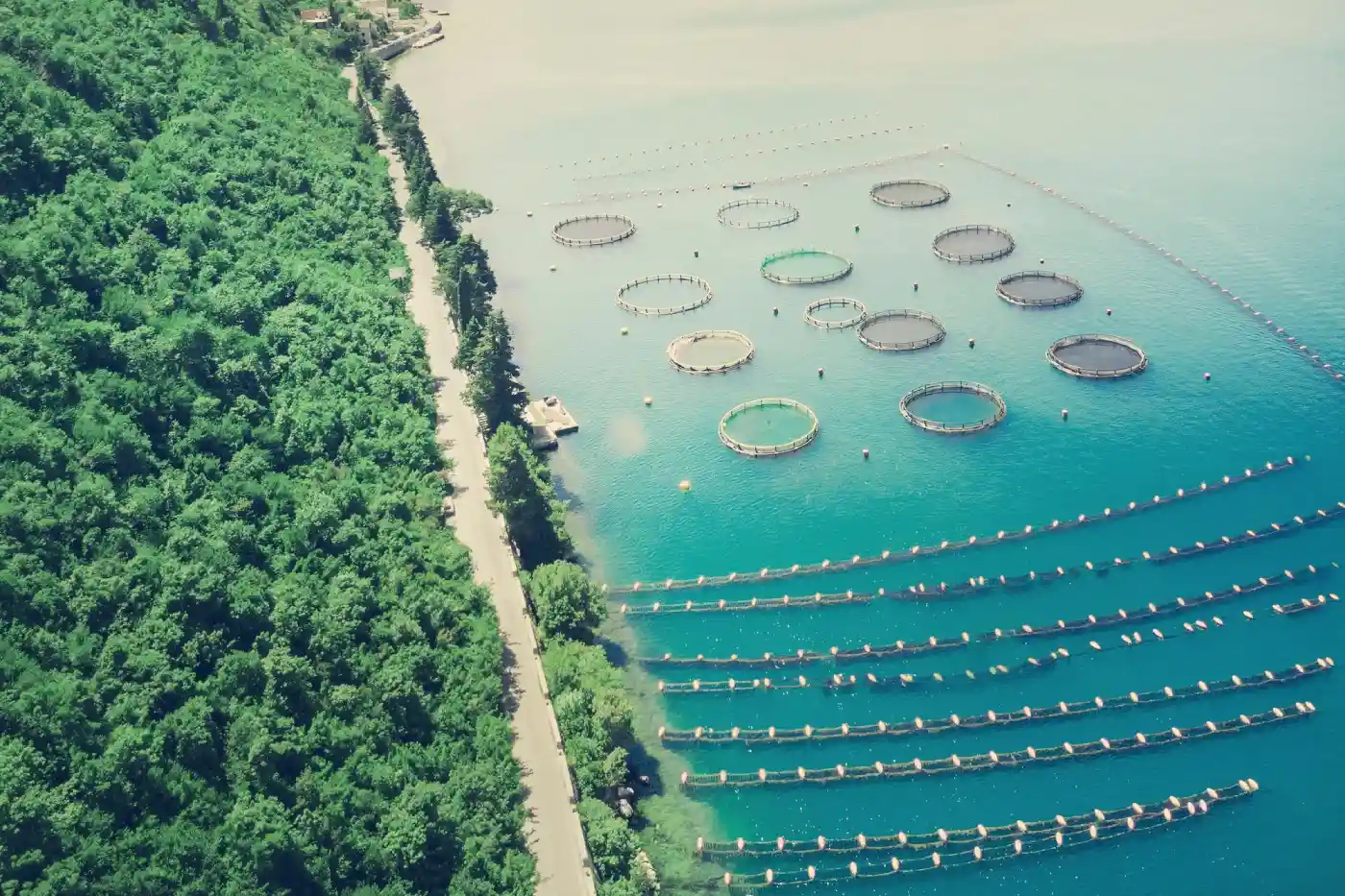
Tap to explore
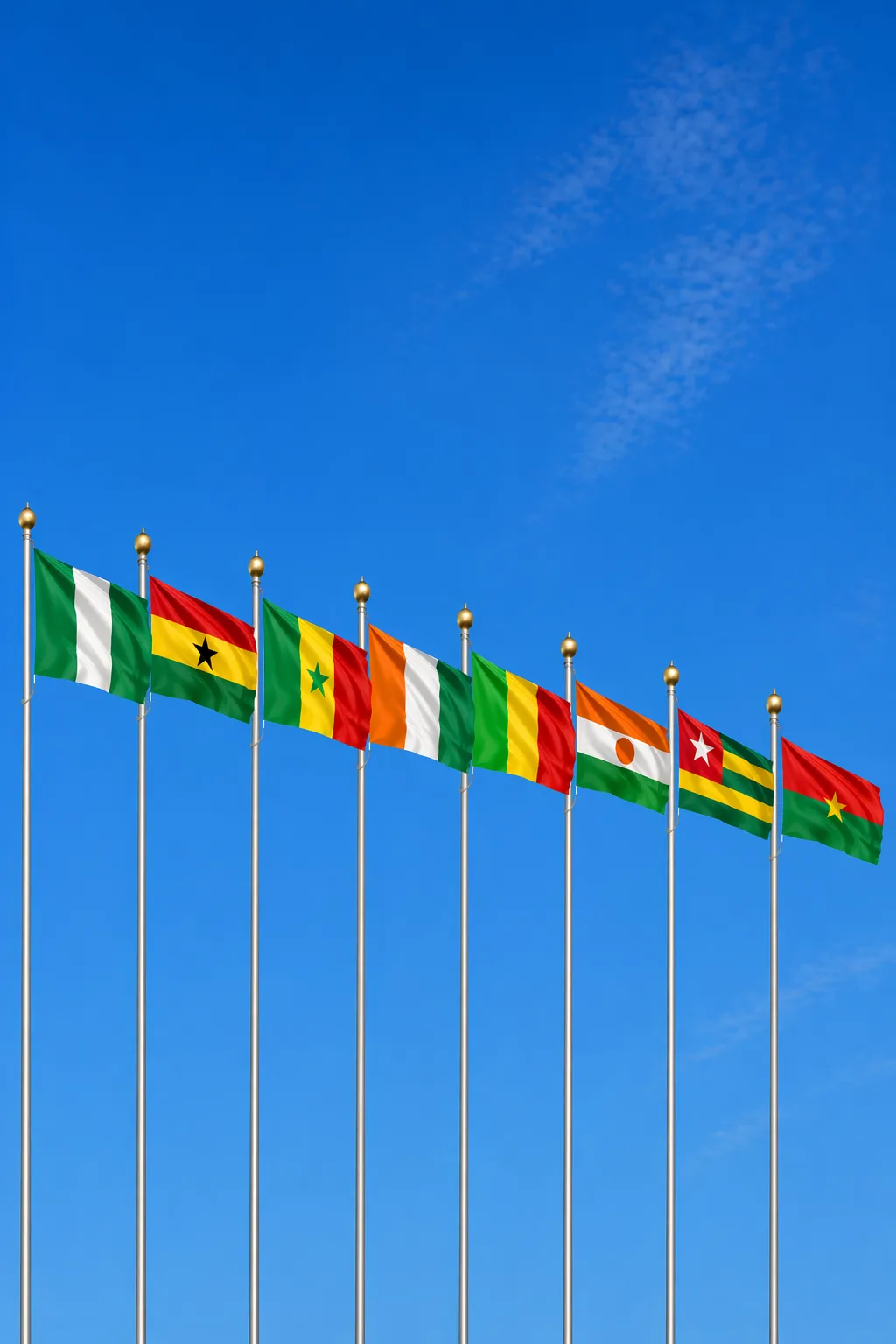
Tap to explore
Tap to explore
Who's Speaking
Hear from Africa's most influential voices in the blue economy space.

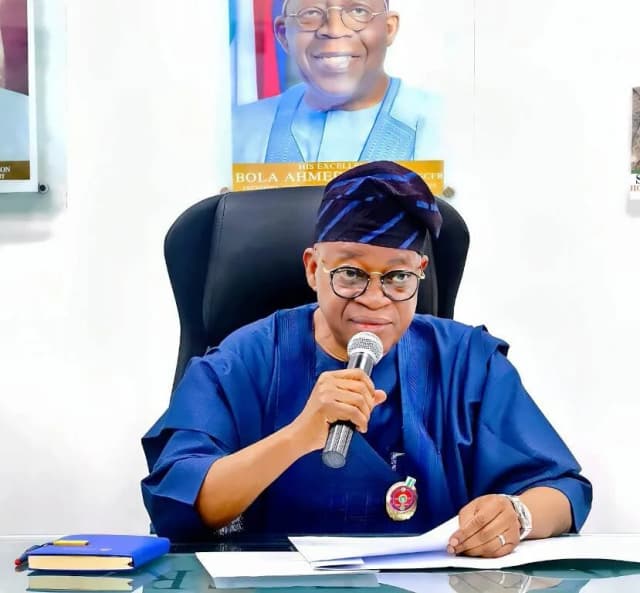
Honourable Minister of Marine and Blue Economy
The Honourable Minister will deliver the keynote address at BACE 2026, outlining Nigeria's vision for marine and blue economy development across Africa.
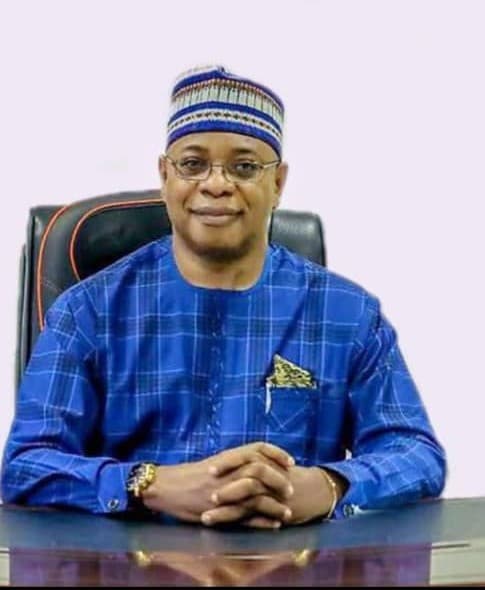
Secretary General, Maritime Organisation of West of Central Africa
Dr. Adlikwu will deliver the welcome remarks at BACE 2026, representing the Maritime Organisation of West and Central Africa (MOWCA).




We're curating an exceptional roster of speakers. Be the first to know when announcements drop.
Get Notified
Event Schedule
Two days of insightful sessions, panels, workshops, and networking.
Registration & Welcome Coffee
Opening Ceremony & Welcome Address
Keynote: Africa's Blue Economy Vision
H.E. Adegboyega Oyetola
Networking Break
Panel: Sustainable Fisheries & Aquaculture
Lunch & Exhibition Tour
Panel: Marine Renewable Energy Opportunities
Workshop: Investment in African Maritime
Welcome Reception & Networking Dinner

Registration
Early bird pricing available for a limited time.
Free exhibition access
Full conference for one day
The complete BACE experience
Standard conference access
Group Discounts:
Full Price: ₦1,600,000 (Two Days)
Partnership Opportunities
Position your brand at the forefront of Africa's blue economy.

Multiple tiers to match your goals. Select a package below or download the full prospectus for benefits and inclusions.
Our Sponsors
Exhibition
Showcase your products and services to Africa's blue economy leaders.

Interactive Floor Plan
Detailed exhibition layout coming soon


13-15 August 2026 at Eko Hotel & Suites, Lagos, Nigeria.
Get In Touch
Have questions? Send us a message and we'll respond promptly.


Organized By
Leveraging media, content, and events to advance business opportunities in Africa's blue economy sector. In strategic collaboration with Nigeria's Ministry of Marine and Blue Economy.
Positioning Africa's blue economy
Connecting entrepreneurs internationally
Market intelligence & partnerships
Supporting government initiatives