Ghana used a Blue Justice conference to strengthen global partnerships in its fight against fisheries-related crimes (known as blue crime) threatening the sustainability of marine resources across the world.
by Blue Africa News
According to Emelia Arthur, Ghana’s minister for fisheries and aquaculture, fisheries crimes have evolved into complex and transnational challenges, demanding stronger global alliances, improved information flow, and unified enforcement systems.
The United Nations Office on Drugs and Crime (UNODC) defines fisheries crime as a range of illegal activities in the fisheries sector. The activities – frequently transnational and organized in nature – include illegal fishing, document fraud, drug trafficking, and money laundering.
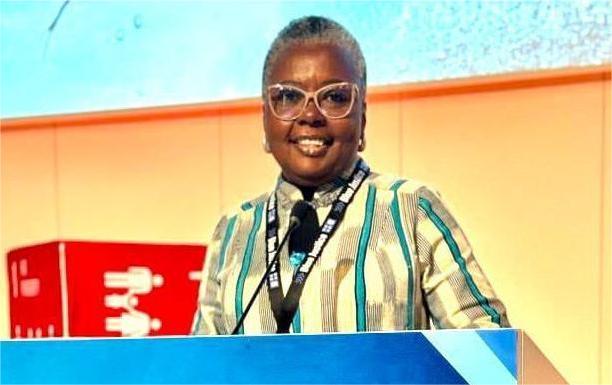
“Ghana will continue to strengthen cooperation under the Blue Justice Initiative and other multilateral frameworks, to ensure sustainable fisheries management and enhanced maritime governance,” said the minister while addressing delegates during the Blue Justice 2025 Conference (December 2-5) in Copenhagen, Denmark.
Addressing fisheries crimes, the minister emphasised, was essential for safeguarding marine ecosystems and protecting the livelihoods of people around the world who depend on the ocean for food and income.
The conference, themed “United in Action Against Fisheries Crime,” brings together ministers, maritime authorities, enforcement agencies, and global partners to discuss coordinated strategies aimed at combating illegal activities threatening the world’s ocean resources.
On how Ghana is partnering with like-minded organisations to fight fisheries crime, the minister said they have employed a six-point strategy which starts with joint patrols, and ends with sustained political strategy, with real time intelligence sharing, specialised capacity building, mutual legal assistance and harmonized penalties being in between.
Speaking at the Copenhagen meet, Sanya Compton, Caribbean Regional Fisheries Mechanism (CRFM) program manager for climate change and blue economy development, policy, planning and management said that illegal, unreported and unregulated (IUU) fishing destabilises regional markets, and threatens the long-term viability of fish species globally.
“Stakeholders must strengthen their resolve and partnerships, and reaffirm their commitment to safeguarding marine resources in addressing the challenges of IUU fishing and fisheries-related crimes such that we can responsibly manage our fisheries, our oceans, and all aspects of the blue economy,” she said.
Ghana has been on the forefront of tackling fisheries-related crimes, through various interventions.
In August 2025, Ghana enacted the Fisheries and Aquaculture Bill, 2025 which introduced stricter enforcement measures against illegal fishing to restore depleted fish stocks and protect marine biodiversity, among a range of provisions.
The global fight against fisheries-related crime is coordinated through the blue justice initiative, which strengthens government agencies against transnational organised crime in the global fishing industry.
Oliver Ochieng, Blue Africa News