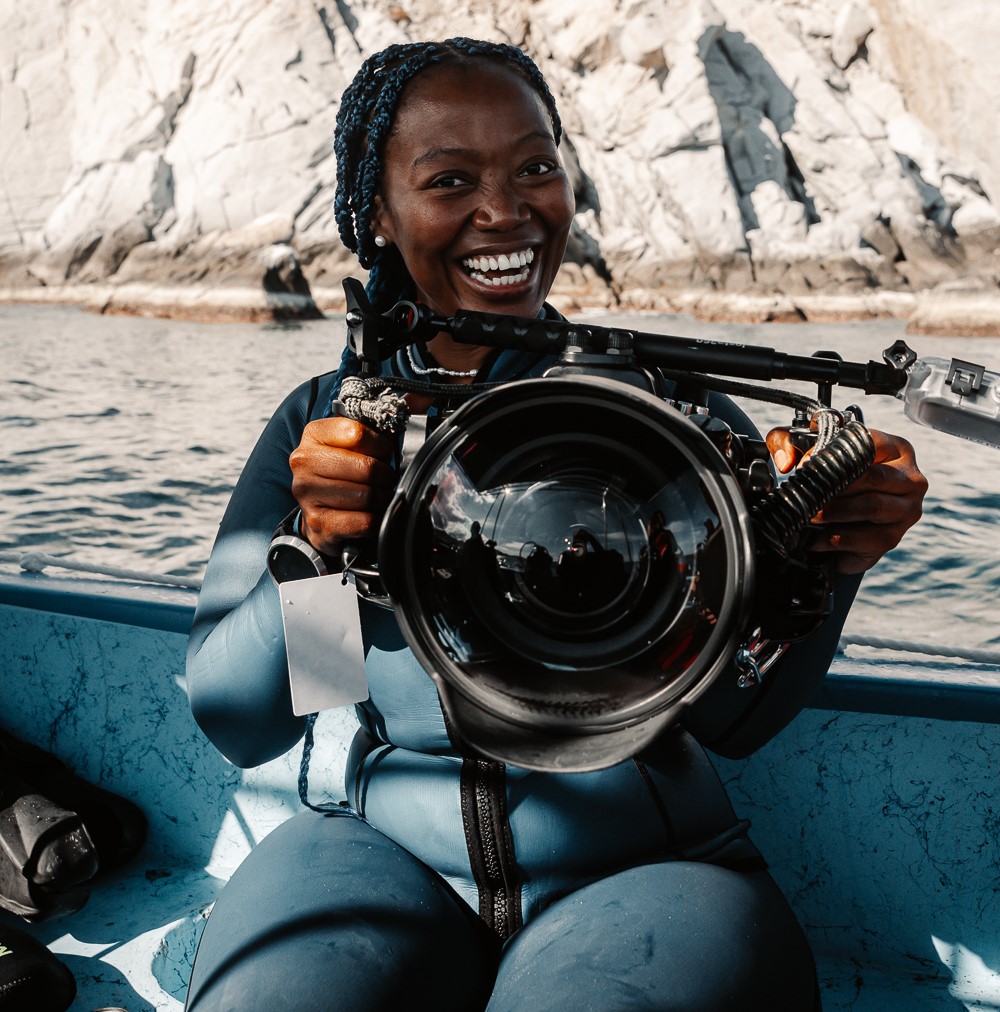
Having spoken of freediving, photography and environmental conservation in the first part of our interview, Zandile Ndhlovu, popularly known as ‘Zandi The Mermaid’ speaks on the noticeable changes she has witnessed in the ocean over the years, and how to handle emergencies underwater.
By Blue Africa News
This second part of the interview starts with her response on how deep she can go in the ocean.
On scuba, I’m qualified up to 40 or 50 meters. This requires little preparation. Only active practicing of what you know. On freedive (no equipment, just holding her breath – eds) my deepest dive is 35 meters.
What equipment do you use for the dives and photos?
I have a Nikon Z8 with a Nikkor 14-24mm f2.8 S lens. I love this duo because I’m obsessed with marine megafauna, and it gives me range to meet wide wides before distortion but the 24mm also allows me some fairly tight captures too. The Z8 has amazing low light abilities and because I shoot with natural light, this matters while keeping a high shutter speed. This setup is housed in a Marelux underwater housing that vacuum seals my camera in to ensure no water can access my gear.
What safety equipment is absolutely essential for divers?
I’d probably say the most important equipment is your dive computer. This makes sure that you don’t go deeper than you should and minimises the risk of decompression sickness, especially when diving in remote places where access to emergency medical services is complicated.
This is also a hard question because from a gear perspective, all scuba gear is essential and any part of it not working is a problem, and a dive computer is actually optional as you can keep depth by following your dive master, but always, scuba is self-management first and so the dive computer allows you to be in charge and aware of your depth.
In freediving, the most important equipment is your lungs and your brain, and probably getting comfortable with discomfort.
How do you handle emergencies underwater?
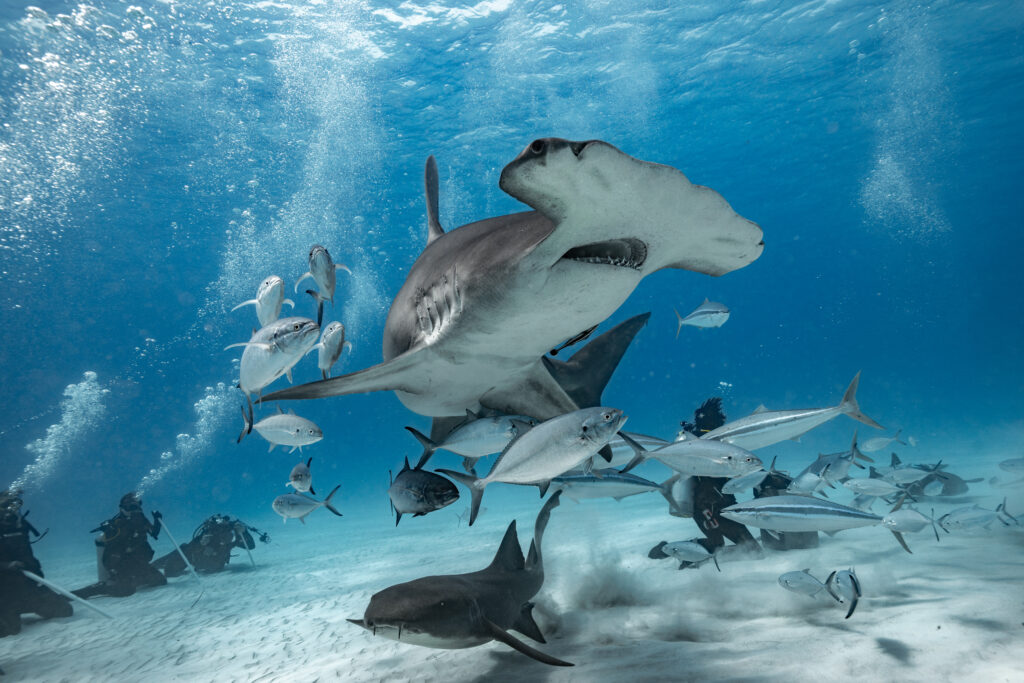
We usually have a boat nearby to assist. There’s fail safes for when underwater with Scuba gear and in freediving. A rescue is a part of the basic course to ensure that anyone in the dive is capacitated to help save a life if needed.
Have you noticed any changes in the ocean of late, compared to when you started diving?
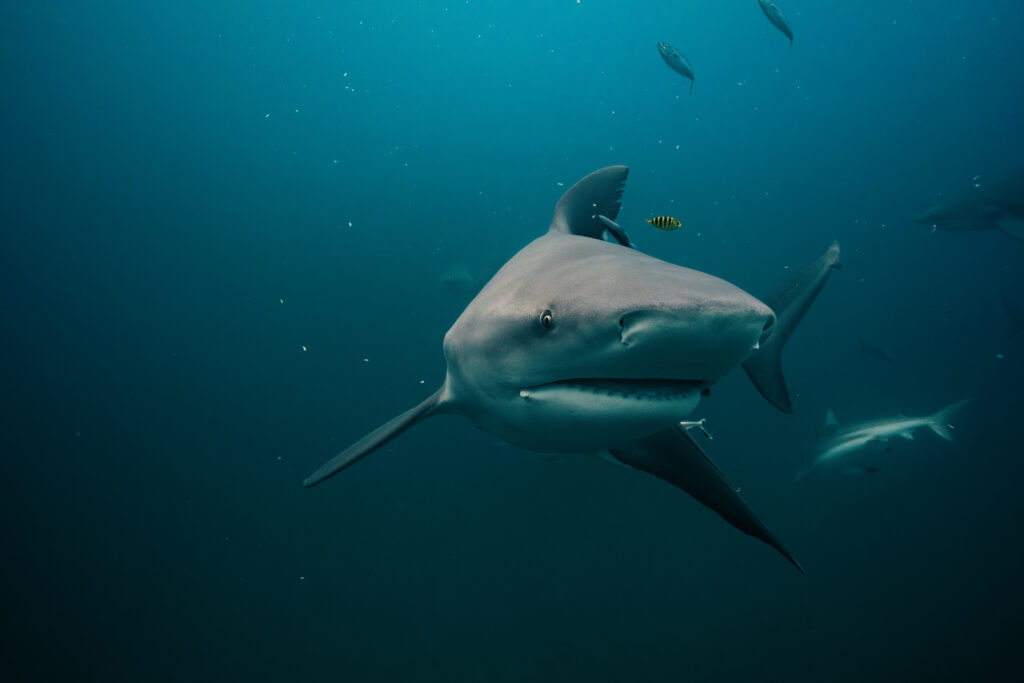
More plastic, fishing line, fishing hooks in wildlife. This is always hard to see, and on my last Sodwana trip, I saw about a palm-sized spot of coral bleaching. This was heart breaking because I always thought our coral reefs to be quite resilient.
How is pollution affecting marine life? From your assessment, what can be done to prevent marine pollution?
Reduce single use plastic. Reuse your grocery bags, have reusable coffee cups etc. Recycle, that’s the best way, more intentionality in how we move in the world is key, and in policy. Keep an eye for what policies are being passed in your country with regard to your oceans, especially commercial fishing vessels. When ordering fish, you can check on the SASSI app if it at least concerns fish because you don’t want to be consuming an endangered species.
And for me, it’s hard to pinpoint one thing as climate change but what I do know is that some migrations are coming later in the year, some seasons getting longer because the water is warmer for longer.
What advice would you give to someone who wants to become a diver or underwater photographer?
Take your time in training, in the water, in the shot. Also, it’s okay to be afraid. You’d be silly to not have a healthy respect for the ocean.
What is your message to people who have never experienced the underwater world?
It’s okay to be afraid, take your time. You’re meeting the most beautiful world you’ve ever seen; the journey will always be worth it.
Oliver Ochieng, Blue Africa News
Check out for part one: https://blueeconomy.africa/zandi/
Photo credits: Maysa Santoro